Aircraft detailing & ceramic coating

Services

Twelve services. One standard. Everything documented.

Premier does two kinds of work on an aircraft. Some of it can be repeated as often as you like: washing, waxing, interior care. Do it again next month and nothing is lost.

The rest changes the surface permanently. Polishing and correction remove clear coat. Coatings bond to the paint. There is no second attempt at work like that, which is why we ask for more before we begin it, and why every pass is planned before it is made.

We hold both to the same standard and we document both the same way. What differs is what we ask of you before we start.

Ceramic Coating Systems

OEM-certified protection matched to your airframe: composite, painted, or metal. Not
wax. A bonded surface that holds its gloss, sheds contamination, and makes every wash
that follows easier.

Premier is certified on two coating systems rather than one, because one product does not suit every airframe. System X Aerospace is used on metal airframes. Permagard is used on composite. The airframe decides, not the shelf.

Coatings cure. That is the whole point of them, and it is why the environment they cure in matters. Where hangar space is available, at Brown Field or at your aircraft's home base with your FBO, we work indoors, with steady temperature, managed humidity and filtered air. The finish is protected rather than merely applied.

01

Irreversible

Spray Ceramic

A bonded ceramic layer applied across the painted surface, engineered to protect for several months rather than several years. It is the shorter interval of the two coating systems, chosen when an aircraft is flying hard, when the paint is being kept at a standard between more substantial work, or when an owner wants to see how a coating performs before committing to the full system.

Shorter-lived does not mean lighter-duty. The chemistry bonds to the paint in the same way, and removing it early means abrading it off. That is why it is classified irreversible alongside the full system, and why it carries the same requirements before we start.

What it does: sheds contamination, holds gloss, and makes routine washing markedly easier. What it does not do: fix paint that needs correcting first. If the surface needs work, that work comes first.

02

Irreversible

Full Ceramic Coating

The complete system, applied to a prepared surface, engineered to protect for years rather than months. This is the coating an owner chooses when the aircraft has just been painted, has just been corrected, or is being set up for a long ownership.

Preparation is most of the job. A coating locks in whatever is underneath it, which means decontamination and correction come first and are not optional. We will tell you if the surface is not ready, and we would rather lose the booking than bond a coating over defects.

Coatings are not applied to pressurized windows or jet glass. That is a fixed rule at Premier, not a preference, and it does not move for any aircraft.

Applied indoors where hangar space allows, with the cure time the manufacturer specifies rather than the time the schedule would prefer.

Correction & Detailing

Hand wash, decontamination, paint correction, brightwork, and interiors. Exterior and cabin held to one standard. On your schedule, between trips, without the aircraft leaving your control longer than it needs to.

Ten services across two areas. Some are routine and can be booked as often as you want them. Some are irreversible and carry requirements before we begin. Each is marked.

03

Routine

Hand Wash

Every wash is done by hand. No brushes on the paint, no automated equipment, no shortcuts around the areas that are awkward to reach. Those are, reliably, the areas that corrode first.

Aircraft-specific products throughout, pH-balanced and safe on paint, composite, and polished metal. Water managed so it does not sit in seams, fasteners, or control surface gaps. Drying is part of the wash rather than something the wind is left to do.

This is the service most owners book most often, and it is the one that quietly does the most for an airframe over time. Contamination that is removed does not have time to bond, etch, or work its way under a coating. A well-washed aircraft needs correcting less often, which is the cheapest kind of paint protection there is.

Booked as often as you want it, at whatever interval suits how the aircraft flies.

04

Routine

Wax

A protective layer applied over clean paint, giving depth to the finish and a barrier against contamination between washes.

Wax sits on the surface rather than bonding to it. That is its limitation and also its appeal. It can be applied, removed, and reapplied without ever touching the paint underneath. Nothing is committed. For an owner who wants a lift in appearance before a trip, or protection without the requirements a coating carries, it is the direct answer.

It is not a substitute for a ceramic system and we will not sell it as one. Wax measures its life in weeks. A coating measures its life in months or years. Where an owner is weighing the two, the honest question is how the aircraft flies and how often we will be seeing it. We will give you a straight answer rather than the expensive one.

05

Irreversible

One-Step Polish

A single-stage machine polish that lifts gloss, reduces light swirling, and evens out a tired finish.

It is a common request and it sounds modest, which is exactly why we classify it carefully. A one-step polish cuts. It removes a measured amount of clear coat to level the surface, and that material does not come back. An aircraft has a finite amount of clear coat and a finite number of corrections in its life.

So this is booked the way irreversible work is booked, with the lead time, insurance and deposit requirements set out below. We accept that this adds friction to a service many shops treat casually. The friction is the point: it means somebody has looked at the paint and confirmed it can take it before the machine touches it.

06

Irreversible

Paint Decontamination

The removal of bonded contamination that washing cannot lift: industrial fallout, rail dust, brake and exhaust deposits, tree sap, hard water etching, and the general accumulation of ramps and weather.

This is chemical and mechanical decontamination, not a heavier wash. Contaminants that have bonded into the clear coat are drawn out or cut away, and the process necessarily affects the surface, which is why it sits on the irreversible side.

It is the step almost nobody books by name and almost every serious job requires. Correction over contaminated paint drags contamination through the finish. Coating over contaminated paint seals it in permanently. When an aircraft is being prepared for correction or for a ceramic system, decontamination is not an upsell. It is the part that makes the rest worth doing.

07

Irreversible

Paint Correction

Multi-stage machine correction that removes defects rather than filling or hiding them: swirl marks, oxidation, scuffing, wash marks, and the dulling that comes with years on open ramps.

This is the most demanding work Premier performs. Correction removes clear coat in measured passes, reading the paint as it goes, and every pass is deliberate. Done properly, an aircraft looks better than it has since it left the paint shop.

Every correction begins with an honest read of what the paint will bear. Some finishes are thin, some have been corrected before, and some are not candidates at all. We will tell you that before we quote rather than after we start.

Booked with lead time, documented insurance, and a deposit, because this is the work those requirements exist for.

08

Irreversible

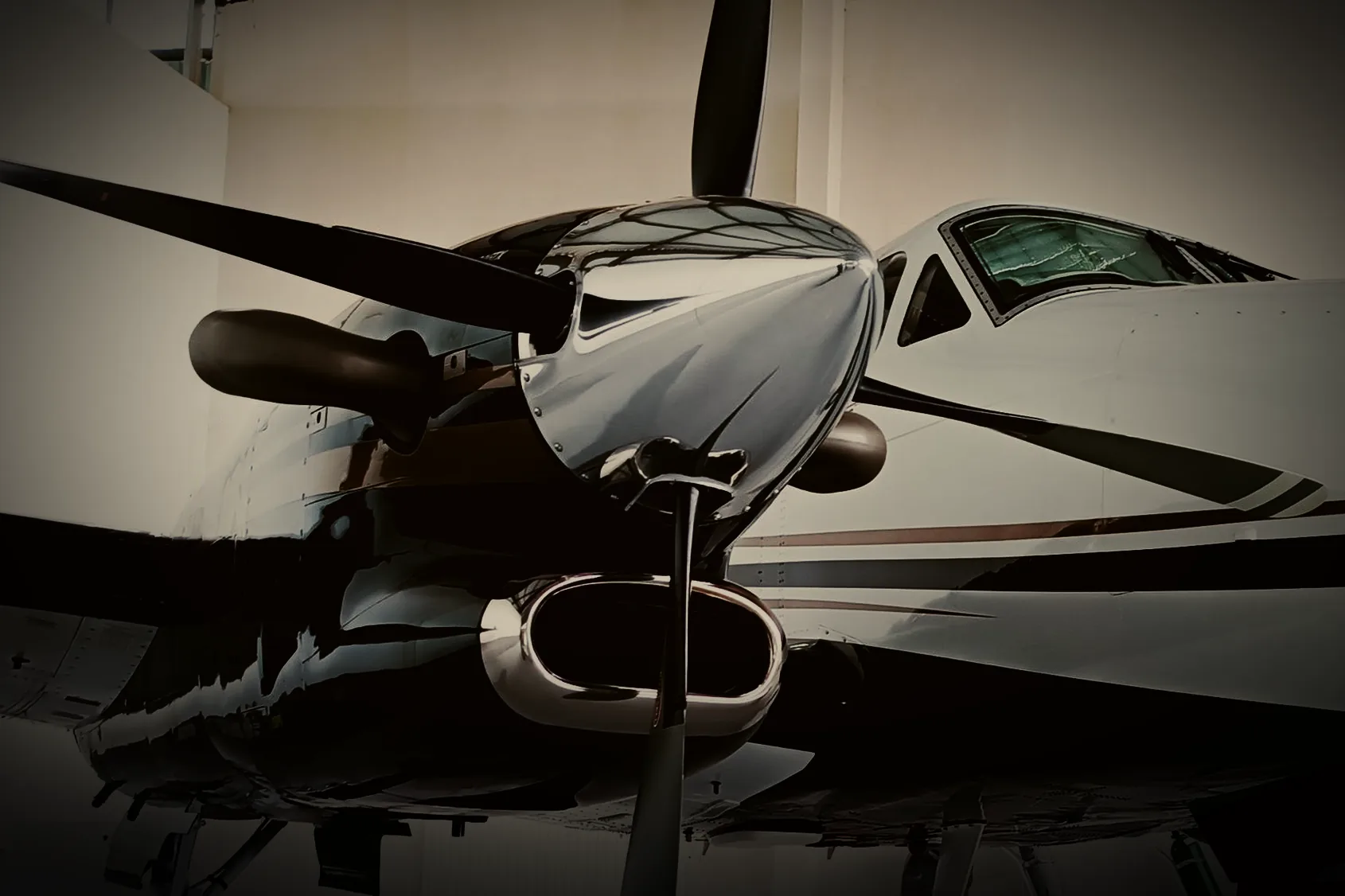
Mirror-polished propeller spinner and exhaust stack on a turboprop's gloss black and white cowling

Brightwork

Polishing of unpainted metal: leading edges, engine inlets, exhaust stacks, and any bare surface intended to hold a mirror finish.

Brightwork is its own discipline. Aluminum oxidizes constantly, and bringing it back means cutting through the oxidized layer to clean metal beneath, then refining through progressively finer stages until the surface reflects rather than glows. It is slow, physical work and there is no way to hurry it that does not show.

Because it removes material, it is irreversible. Because it is unpainted metal, it needs maintaining once it is done. A polished leading edge left alone will dull again. Owners who want brightwork usually want it kept, and we would rather set that expectation at the start than deliver a finish that disappoints in six months.

09

Routine

De-Ice Boot Treatment

Cleaning and conditioning of pneumatic de-ice boots to keep the rubber pliable and the surface free of the contamination that shortens boot life.

De-ice boots are consumable, expensive, and easy to damage with the wrong product. Many general-purpose cleaners attack the rubber directly. Others leave residues that harden in the sun and accelerate cracking. The treatment we use is specified for the material and applied at the intervals the boots actually need.

It is a small service that protects a large replacement cost, and it is routine. It can be repeated as often as the aircraft and the operating environment call for it, with nothing committed and nothing removed.

Booked on its own or added to a wash, whichever suits the schedule.

10

Routine

Carpet Extraction

Deep extraction of cabin carpet, lifting soil out of the fiber rather than moving it around.

Aircraft carpet takes a specific kind of punishment: concentrated foot traffic in a narrow space, spills that are cleaned in a hurry mid-flight, and long periods sealed in a warm cabin. Surface vacuuming reaches the top layer. Extraction reaches what has worked its way down, along with the odors that come with it.

Controlled moisture throughout, because a cabin is a sealed environment and carpet that is left damp becomes a problem rather than a solution. Drying is managed as part of the service, not left to chance.

Fully routine. Repeat it whenever the cabin needs it, with no effect on anything underneath.

11

Routine

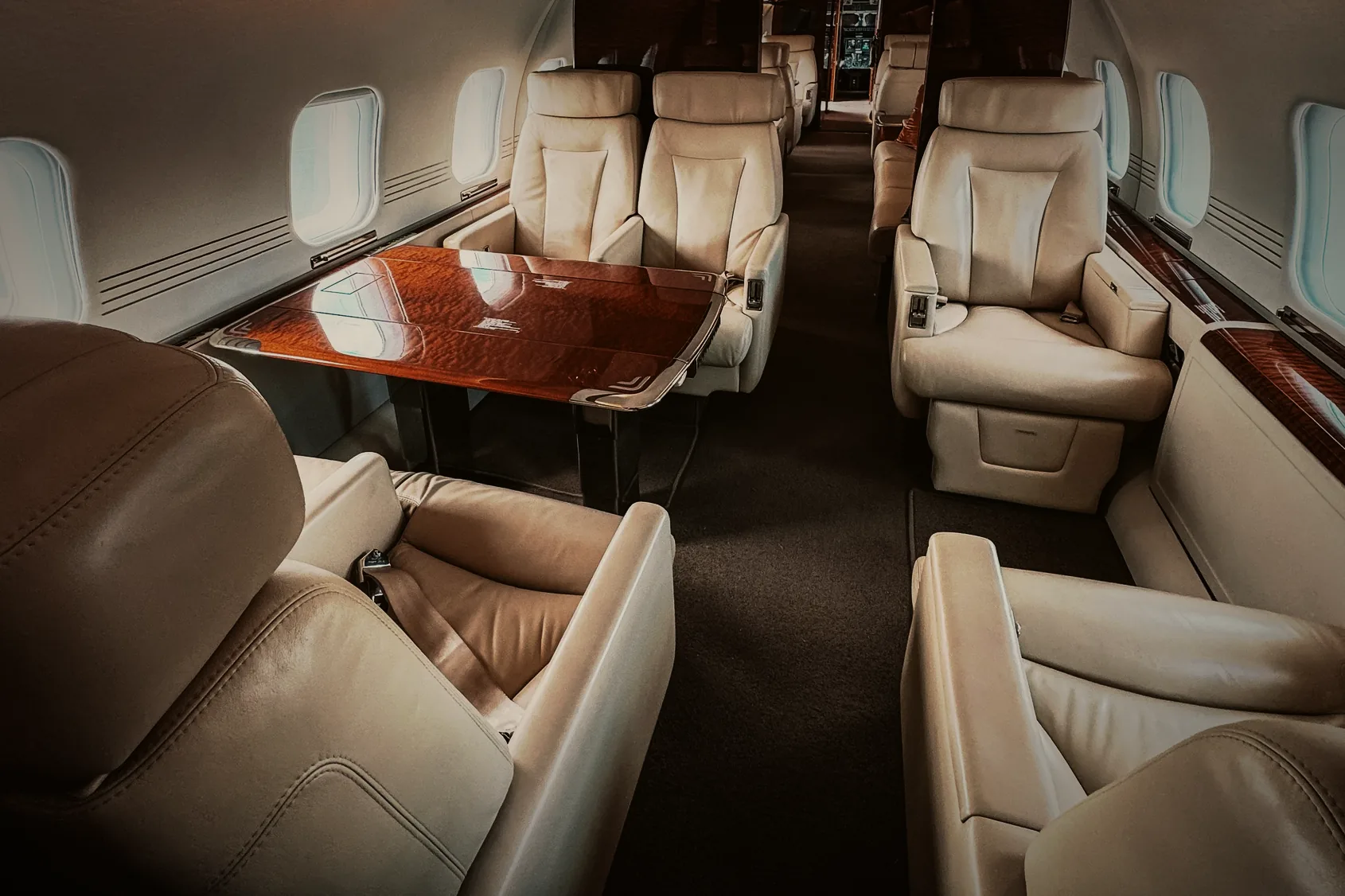
Cream leather club seats and a polished wood table in a business jet cabin

Leather

Cleaning and conditioning of leather seating, trim, and cabin surfaces. Cabin leather lives in dry, pressurized, UV-exposed conditions that draw moisture out of the hide. Left alone, it stiffens, loses color, and cracks along the seams and edges where it flexes most. Cracked aircraft leather is a refurbishment cost rather than a repair.

Cleaning first, at a pH that does not strip the finish, then conditioning appropriate to the hide. Perforated leather is treated with the care perforation requires, since product that goes into the holes stays there.

Routine, repeatable, and best done regularly rather than heroically. Leather kept on a schedule looks consistent. Leather rescued once a year looks rescued.

12

Routine

Disinsection

Cabin treatment for operators whose routes call for it.

Disinsection is a regulated activity, and the rules about method, product and documentation come from the authorities rather than from us. Talk to us about your routes before you plan around it, and we will tell you plainly what we can do, what we cannot, and what has to be arranged elsewhere.

Routine and repeatable, with nothing altered permanently in the cabin.

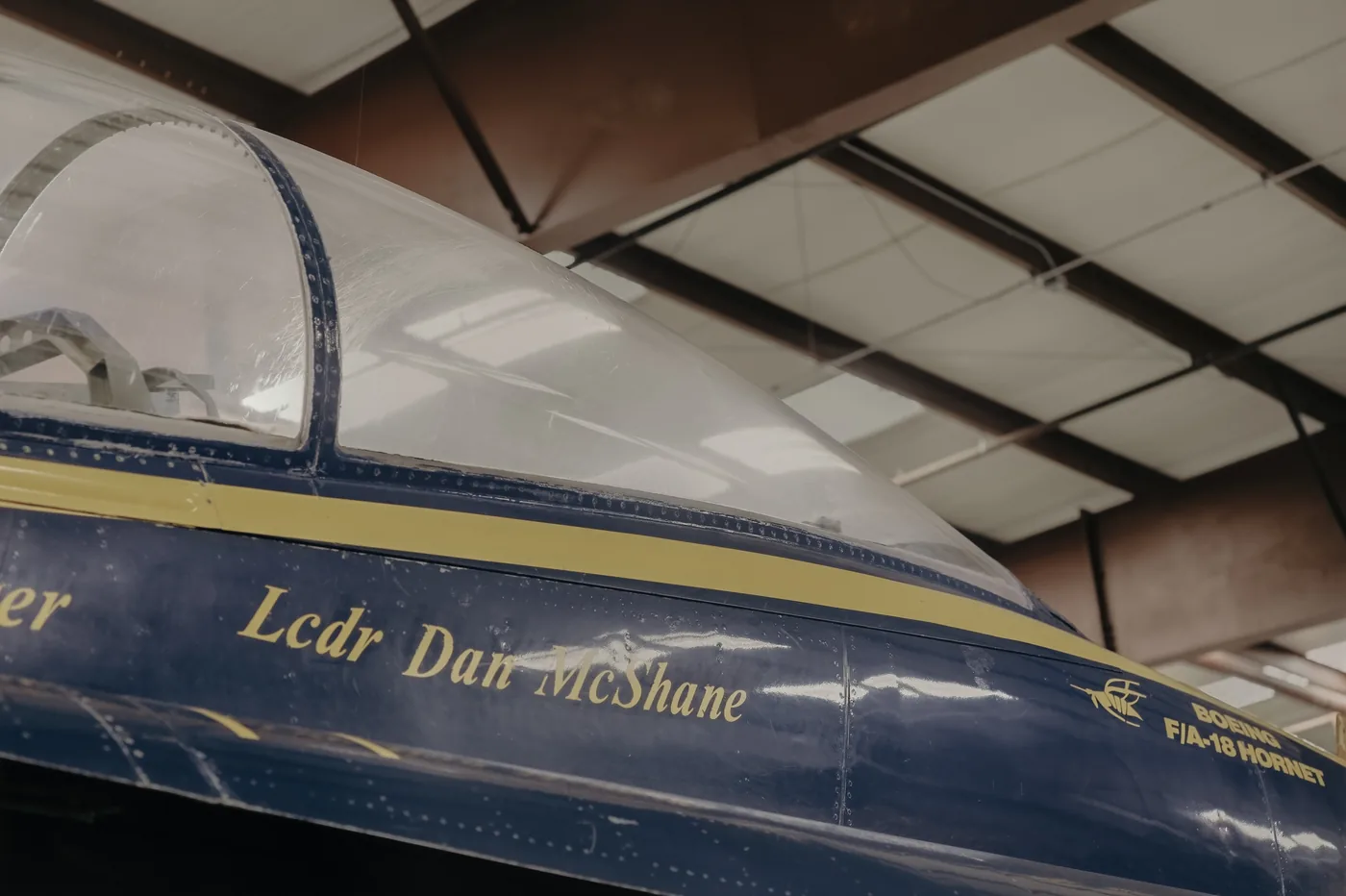
Canopy and fuselage before detailing, with a dull, hazy finish

Before

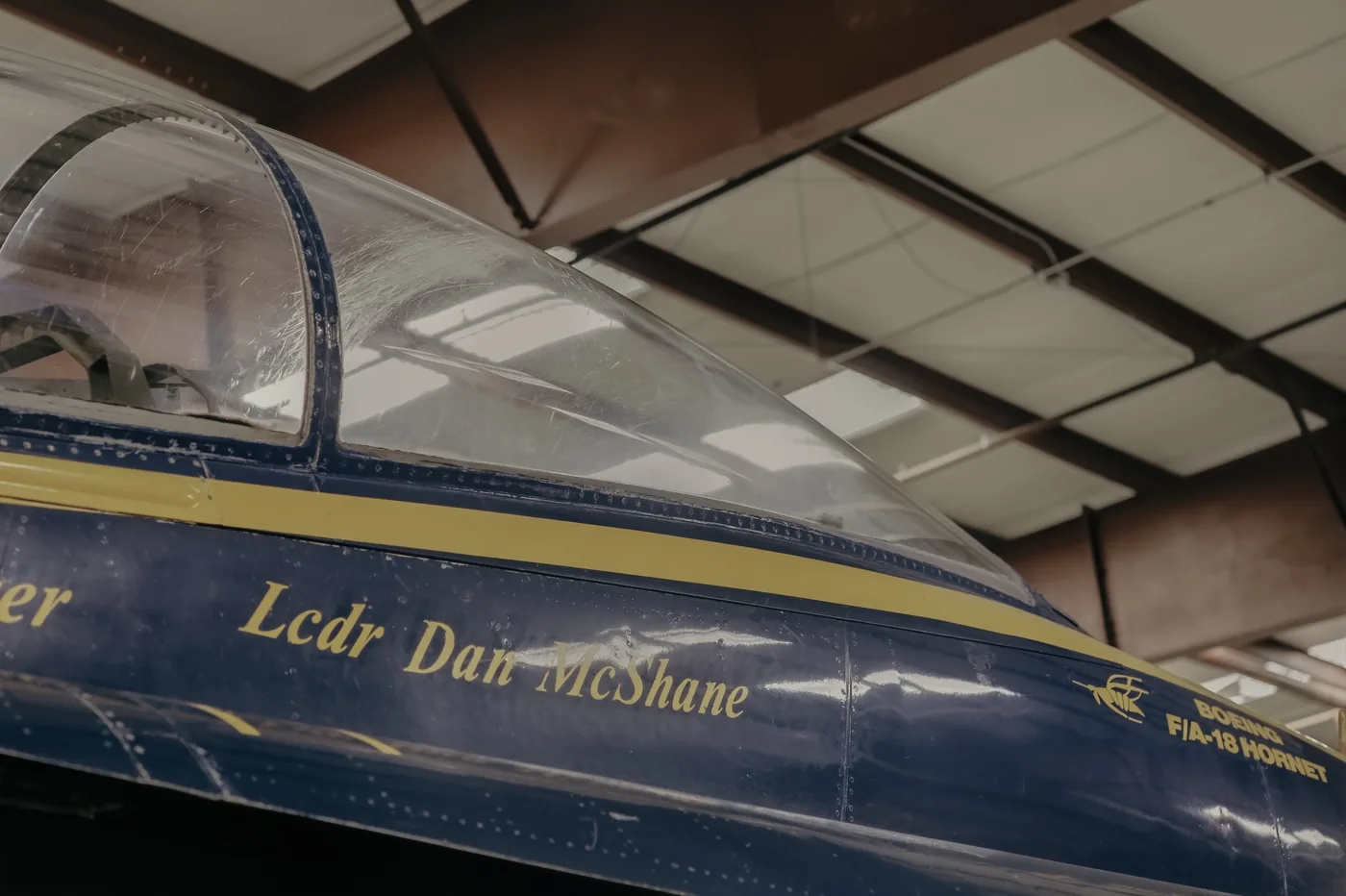
The same canopy and fuselage after detailing, clear and glossy

After

Documented Care

Every service begins with a pre-service inspection and a photographic record, and ends with a completion report. You see the aircraft's condition before we touch it and the standard it left in.

This is not an add-on and it is not billed separately. It is how Premier works, on every aircraft, for every service on this page.

Step 01

The Premier Assessment

Before anything else, we look at your aircraft in person. An honest read on the finish inside and out, and a clear picture of what is achievable. No obligation. Just the information you need to decide.

For irreversible work this matters more than it sounds. Paint has a finite life and a finite number of corrections in it. The assessment is where we tell you whether the work you are asking for is the work the aircraft needs, and where we say so if it is not.

Step 02

The photographic record

Before a technician touches the aircraft, its condition is recorded: 60 exterior images and 12 interior, with findings logged by clock position so anyone reading the record later knows exactly where to look.

Every owner has had the conversation about a mark that may or may not have been there before. The record ends that conversation before it starts, and it protects you as much as it protects us. If we find something, you see it, in place, timestamped, before any work begins.

Step 03

Findings and authorization

If we find something that affects the work, such as damage, a defect, or a surface that will not take what was booked, we stop on that item, we send you what we found, and we do not proceed on it until whoever you have designated to approve work has authorized it in writing. A verbal go-ahead on the ramp is not enough, and that is deliberate.

Everyone you have listed is notified at the same moment, and the notification carries a thirty-minute window with the expiry time printed on it. Thirty minutes is not us rushing you. It is a crew standing on a ramp beside an aircraft that is half done, and the window exists so that nobody is left guessing what happens next.

Usually the aircraft does not sit idle while that happens. Work continues in the areas the finding does not touch, and what waits is the specific item rather than the whole job.

Two things change that. When you register the aircraft you choose in advance what we do if the window closes with no answer: carry on with that item excluded, carry on with the whole affected area excluded once a second person has looked at it with us, or stand down and reschedule. If standing down is what you chose, the crew stands down. And if what we find is a safety item, no authorization from anyone restarts that work. It is not our call to make, and we will tell you so plainly on the day.

What never happens, under any of these, is that we work through the finding itself.
Step 04

The completion report

Every job closes with a written record of what was done, what was found, what was authorized, and the condition the aircraft was returned in.

You do not have to be on the ramp to know how your aircraft was treated. That is the whole idea.

Classification

Routine and irreversible

Every service on this page is marked one or the other. The distinction is physical, not commercial.

Routine

Work that can be repeated or reversed without loss. Wash it again next week and nothing has been spent. Booked as simply as any appointment.

Irreversible

Work that removes material or bonds to the surface. It cannot be undone, and the aircraft carries the result until it is repainted.

For irreversible work we ask for three things before we start:

01

A 48-hour lead time. Not scheduling convenience. It is the window in which the aircraft, the authority to authorize the work, and the surface itself get checked properly.

02

A certificate of insurance naming the entity and listing the aircraft.

03

A deposit at booking, with the balance cleared before work begins.

We know this is more friction than most shops ask for. It is deliberate, and it exists for the same reason the photographic record does: on work that cannot be undone, the time to get everything straight is before, not after.

The Premier Assessment.

Our introduction is simple: a careful look at your aircraft, an honest read on its finish inside and out, and a clear picture of what’s achievable, with no obligation. Priority scheduling for San Diego owners.

Map of San Diego County airports with Brown Field (KSDM) markedUNITED STATESESTADOS UNIDOSMEXICOMÉXICOPACIFICOCÉANOOCEANPACÍFICOKCRQ CarlsbadKRNM RamonaKMYF MontgomeryKSEE GillespieKSAN San Diego IntlBrown Field KSDMBy appointmentCon citaBrown Field, San Diego. By appointment.Brown Field, San Diego. Con cita.We come to your home baseVamos a su base

Let’s talk about
your aircraft.

Reach us directly, or leave your details and we’ll reach out shortly.

Call (888) 580-9080 · Text (619) 604-9503

Your request is in.

Thank you. We'll be in touch shortly to find a time that works around your
aircraft's schedule.

What happens next

- We call or text to confirm the aircraft and arrange a time at your field
- Your FBO receives our certifications by email before we arrive
- The assessment is visual. Nothing is touched
- A written report follows the visit

If you asked us to text you, expect a short confirmation message from
(619) 604-9503.

If anything changes, or you'd rather talk now:

Call (888) 580-9080 · Text (619) 604-9503

Oops! Something went wrong while submitting the form.